Chimney Flashing: Signs of Failure and How to Repair
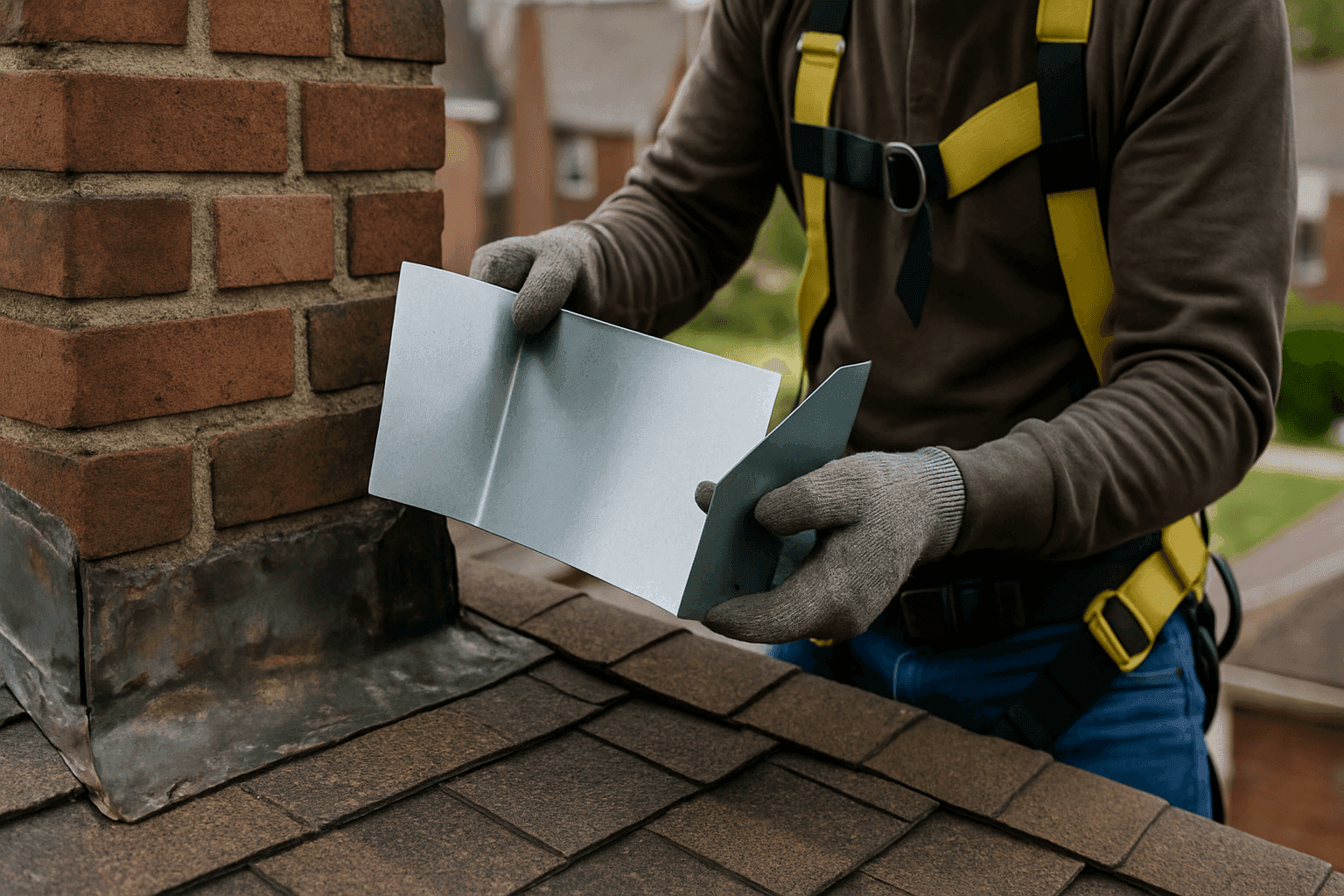
Every home tells a story. But when water sneaks past your roof, the ending can get messy. Chimney flashing stands guard where your chimney meets your shingles, silently keeping rain and snow outside—where they belong.
If you’ve ever noticed a brown stain on your ceiling or heard that telltale drip during a storm, you know the anxiety that follows. At Advance Roofing, we help homeowners spot trouble before it grows. Let’s break down chimney flashing, find the warning signs, and talk about repair options that keep your home dry and safe.
Why Chimney Flashing Matters
Chimney flashing is like a raincoat for one of your home’s trickiest seams. It’s the thin metal or waterproof barrier wrapping the base of your chimney, sealing the gap where brick meets roof. Without it, water can slip in, soak your attic, and rot the wood beneath your shingles.
Think of it as your home’s unsung hero—quietly working, often overlooked, but absolutely essential.
What Happens When Flashing Fails?
When flashing breaks down, water finds a way. Left unchecked, even a small leak can turn into:
- Mold hiding in insulation
- Rotting rafters and framing
- Damaged drywall and peeling paint
- Higher energy bills from wet, ineffective insulation
Over time, what starts as a tiny rust spot can end up costing thousands in repairs.
Quick Safety Checklist 🛑
Before you head up for a look, run through these essentials:
- Never climb on a wet or icy roof—wait for dry, calm weather.
- Use a sturdy ladder and have a spotter on the ground.
- Wear shoes with good grip.
- Avoid stepping near the chimney edge—shingles can be loose.
- If you’re unsure, stay safe and call a local roofing professional.
The National Roofing Contractors Association recommends annual roof inspections for these very reasons.
Signs Your Chimney Flashing Needs Attention
Some signs are obvious. Others creep up quietly. Here’s what to look for:
Rust or Corrosion
Flashing is usually metal—aluminum, galvanized steel, or copper. Rust spots or greenish stains mean water is already at work.
Gaps, Cracks, or Missing Sections
Flashing should sit tight and flush. If you see gaps, warping, or entire strips missing, water can slip right through.
Water Stains or Damp Spots
Check your attic and ceilings near the chimney. Brown stains, bubbling paint, or damp drywall point to leaks.
Shingle Damage Near the Chimney
Water leaks often start under the shingles closest to the chimney. Look for curling, missing, or discolored shingles.
Moss or Mold Growth
Moss near the chimney base or moldy smells in your attic can mean consistent moisture is seeping in.
DIY Checks vs. Calling a Pro
Not every flashing problem needs a full team of roofers. But some do. How do you know the difference?
Simple DIY Checks
- Use binoculars from the ground—look for shiny metal, uniform lines, no rust.
- In the attic, use a flashlight. Scan for stains, soft wood, or visible drips.
- Gently press on the flashing. It shouldn’t move or peel up.
When to Call a Roofing Specialist
- If you see large gaps, rust holes, or loose sections.
- Water is already leaking indoors.
- You’re not comfortable working on the roof.
- The flashing is complicated or part of a steep roof, tile roof, or metal roofing system.
For repairs that involve removing shingles or replacing flashing, professional help is the safest choice.
What to Expect When Pros Arrive
Wondering what happens next? Here’s how the Advance Roofing team—and many residential roofing pros—tackle flashing repairs:
-
Full Inspection
We check not just the chimney but the entire roof area, looking for related issues like damaged shingles, missing caulk, or cracked mortar. -
Remove Damaged Flashing
Old flashing is carefully pried up. Shingles may need lifting or replacing if water has gotten underneath. -
Install New Flashing
Metal flashing is cut to fit, overlapping layers to direct water away from seams. High-quality sealants are used where needed. -
Test for Leaks
After repairs, we check for leaks—sometimes with a hose, sometimes by inspecting after a rain. -
Cleanup and Advice
Homeowners get tips for ongoing care and a summary of what was found.
These steps follow industry guidelines, including those from the International Residential Code (IRC) and the Asphalt Roofing Manufacturers Association.
Prevention and Maintenance Tips 🧰
A little attention goes a long way. With seasonal checks and upkeep, you can avoid costly surprises.
- Inspect twice a year: Spring and fall are ideal. After storms, check for new damage.
- Keep gutters clear: Blocked gutters can back up water, increasing the risk of leaks.
- Trim overhanging branches: Branches can scrape flashing or drop debris, trapping moisture.
- Watch for signs indoors: Ceiling stains and musty smells often show up before visible roof damage.
- Schedule professional inspections: Even if you don’t spot issues, annual inspections catch tiny problems early.
Costs and Time Factors
Every flashing repair is different—like a puzzle where every piece affects the next.
- Minor repairs: Sealing small gaps or replacing a bit of caulk may take an hour or two.
- Moderate fixes: Replacing a section of flashing or a few shingles can take half a day.
- Major repairs: Full flashing replacement or structural repairs may take a day or more, especially if water damage is extensive.
Costs depend on the extent of damage, roof type, and materials used. It’s wise to get a clear, written estimate before work begins.
When It’s an Emergency
Sometimes, waiting isn’t an option. Call for emergency roofing help if:
- Water is actively dripping or pouring into your home
- You spot large holes or missing flashing after a storm
- Ceilings are sagging or walls feel wet to the touch
Quick action can prevent further damage to your home’s structure and belongings. Keep your insurance information handy—rapid response helps with claims.
FAQ: Chimney Flashing & Roof Leaks
How long does chimney flashing last?
With proper installation and care, metal flashing can last 20 years or longer. Harsh weather, settling chimneys, or poor installation can shorten lifespan.
Can I use roof sealant for a quick fix?
Sealant can buy you time if you spot a small gap, but it’s not a long-term solution. Properly installed flashing is the only way to ensure water stays out.
What if my chimney is leaking but the flashing looks fine?
Leaks can also come from cracked bricks, missing mortar, or issues with the chimney cap. A full inspection will pinpoint the real cause.
Is flashing repair covered by insurance?
Damage from sudden events (like storms) is often covered, but wear and tear usually isn’t. Check your policy or talk to your agent.
Local and Seasonal Considerations 🌦️
Every region brings unique challenges. In cold climates, ice dams can force water under flashing. In rainy areas, constant moisture speeds up rust and wear. High winds can lift flashing or shingles, exposing seams.
- After heavy storms: Inspect for new damage, even if your roof is new.
- Before winter: Make sure flashing and sealants are snug and intact.
- During pollen season: Clean debris that can hold moisture next to flashing.
Advance Roofing recommends regular checks tailored to your local weather patterns and roofing type—shingle, tile, metal, or flat roofs. Preventative maintenance always pays off in the long run.
Don’t let a sneaky leak turn into a headache. If you notice warning signs or have questions about “Chimney Flashing near you,” get help from a trusted roofing team.
Call Advance Roofing now — or reach us anytime at 877-664-0687 .