Eco-Friendly Roofing Options for Sustainable Homes
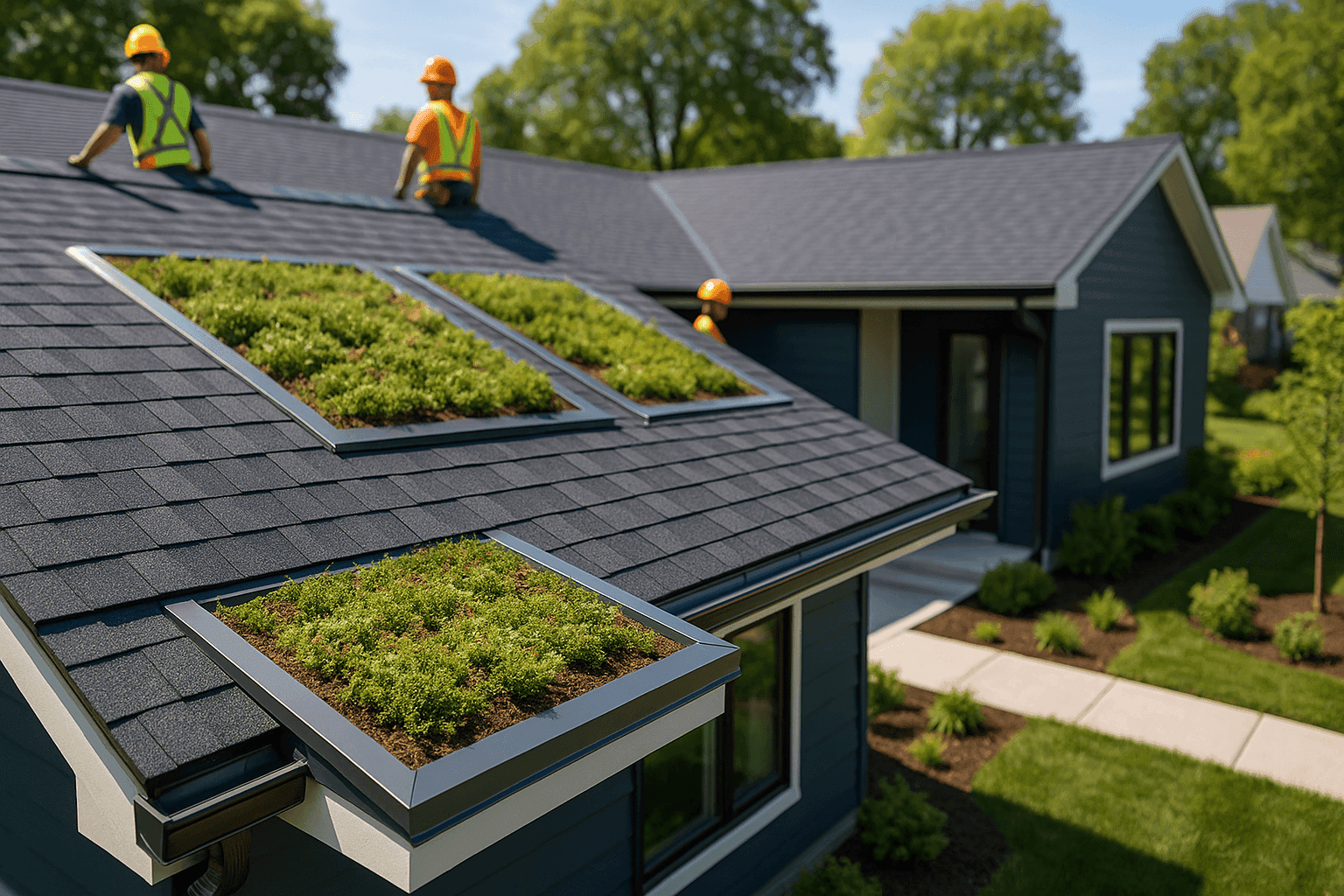
Looking up at your roof, you might see more than shingles and flashing. You might see an opportunity—a chance to make your home greener, more efficient, and kinder to the planet. At Advance Roofing, we know homeowners are seeking roofing choices that last and do good. The right roof isn’t just a cap on your house. It’s a shield, an investment, and, increasingly, a statement of your values.
Eco-friendly roofing has come a long way. It's not just about what looks good or what keeps out the rain. It's about saving on energy bills, reducing waste, and building a home that stands up to storms—and time.
Why Sustainable Roofing Matters
A roof is more than shelter. It’s the frontline against heat, cold, wind, and water. Traditional roofing can soak up heat, send energy bills soaring, and end up in landfills after just a couple of decades. Now, homeowners want more. They want roofs that reflect sunlight, reuse old materials, or even grow a garden.
Eco-friendly roofing options bring together durability, beauty, and responsibility. Making the switch can mean lower costs over time, fewer repairs, and peace of mind. You’re not just fixing a leak or patching a shingle. You’re setting your home up for a future that’s sustainable, efficient, and resilient.
Eco-Friendly Roofing Options for Modern Homes
Let’s break down the green choices. Each offers its own blend of benefits. Some are cool to the touch. Others are made from yesterday’s waste. And some, quite literally, bring your roof to life.
Cool Roofs: Keep It Chill ☀️
Cool roofs are a bit like wearing a white T-shirt on a hot day. They reflect sunlight rather than soaking it up. Materials like reflective shingles, tiles, or special coatings bounce rays away, helping your attic—and your home—stay cooler.
Benefits:
- Lower air conditioning bills
- Improved indoor comfort
- Longer roof life (less heat stress)
ENERGY STAR and the Cool Roof Rating Council both set standards for what counts as “cool.” Look for their labels when shopping for materials.
Recycled Shingles: Yesterday’s Waste, Tomorrow’s Roof
Recycled roofing shingles give old rubber, plastic, or wood a second life. Instead of ending up in landfills, these materials become tough, weather-resistant shingles.
Benefits:
- Diverts waste from dumps
- Durable and long-lasting
- Resists fire and storms
Many recycled shingle brands meet the standards set by ASTM International for strength and safety.
Metal Roofing: Tough, Stylish, and Recyclable
Metal roofs aren’t just for barns. Today, they come in colors and finishes that fit any home. They last decades—sometimes up to 70 years—and can be recycled when replaced.
Benefits:
- Reflects heat for energy savings
- Lightweight yet strong
- Fire-resistant and low maintenance
The Metal Construction Association sets guidelines for quality. Look for roofs with recycled content and energy-efficient coatings.
Tile Roofing: Classic Style, Modern Sustainability
Clay and concrete tiles have sheltered homes for centuries. They’re made from earth-friendly materials and can sometimes be recycled at the end of their life.
Benefits:
- Lasts 50 years or more
- Excellent insulation
- Withstands harsh weather
Be sure your home’s structure can handle the extra weight. Tile is heavier than shingles or metal.
Living Roofs: Nature on Your Rooftop
Green (or “living”) roofs are exactly what they sound like—a layer of soil and plants over a waterproof barrier. They turn your roof into a mini-ecosystem.
Benefits:
- Absorbs rainwater, reducing runoff
- Insulates your home naturally
- Supports pollinators and wildlife
Installation must follow local building codes and waterproofing standards (see International Green Construction Code).
How Eco-Friendly Roofs Save Energy and Money
A green roof isn’t just about the environment. It’s about your wallet, too. Here’s how:
- Lower energy bills: Cool roofs and metal roofing reflect sunlight. That means less work for your AC.
- Fewer repairs: Durable materials, like metal and tile, can shrug off hail, wind, and storms.
- Tax credits & rebates: Some eco-roof options qualify for local or federal incentives. Check Energy.gov for the latest programs.
Over time, an eco-friendly roof can pay for itself through savings, fewer replacements, and even higher resale value.
Quick Safety Checklist for Eco-Friendly Roofing Projects
Working on a roof is serious business. Here’s what to keep in mind before you climb up:
- Wear non-slip footwear and a hard hat
- Use a harness or fall protection system
- Check the weather (dry, calm days are best)
- Never work alone—have someone nearby
- Make sure ladders are secure and rated for your weight
- Watch for power lines and other hazards
For more on safety, the Occupational Safety and Health Administration (OSHA) offers detailed roofing safety guidelines.
Should You DIY or Call a Pro?
Some eco-friendly upgrades—like applying a cool roof coating—are manageable for handy homeowners. But installing metal panels, tile, or a living roof? That’s a job for the pros.
DIY-friendly:
- Gutter cleaning and repair
- Minor shingle replacement
- Applying simple sealants
Call a pro for:
- Skylight installation or repair
- Chimney flashing near you
- Structural repairs
- Full roof replacements
- Living roof installation (requires waterproofing, drainage, and engineering)
Roofing is risky. A small mistake can lead to leaks, damage, or even injuries. When in doubt, let experienced installers handle the tough stuff.
What Pros Do When They Arrive
A professional team does more than just slap on new shingles. Here’s what to expect:
- Thorough inspection: Checking for leaks, rot, insulation gaps, and structural issues.
- Material recommendations: Matching eco-friendly options to your local climate and budget.
- Proper installation: Meeting building and fire codes (see your local building department and the International Residential Code).
- Cleanup: Responsible disposal or recycling of old materials.
Advance Roofing specializes in everything from chimney flashing repair to new sustainable roof installations.
Preventative Maintenance for Green Roofs
Keeping your eco-friendly roof in top shape is simple if you stay on schedule:
- Inspect twice a year (spring and fall)
- Clean gutters and downspouts regularly
- Remove debris—leaves, branches, moss
- Check sealants and coatings for cracks or wear
- Watch for signs of leaks inside your attic
For living roofs, trim overgrown plants and check drainage systems. A little care goes a long way.
Costs & Time Factors: What to Expect
Eco-friendly roofs often cost more upfront. But they save you money in the long run. Here’s a rough idea of what influences cost and time:
- Material choice: Metal and tile cost more than asphalt, but last far longer.
- Roof size and shape: Complex roofs take more time and materials.
- Local labor rates: Prices vary by region and contractor.
- Permits and inspections: Required for most new installations.
Installation can take anywhere from a few days (for metal or shingles) to a few weeks (for tile or a living roof). Budget for both material and labor costs.
When It’s an Emergency
Storm damage, leaks, or structural issues can’t wait. If your roof is leaking during a storm, cover the area with a tarp and call for emergency roofing services. Stay off the roof if it’s wet or icy. Fast, professional help keeps small problems from turning into disasters.
FAQ: Sustainable Roofing Choices
How long do eco-friendly roofs last?
Metal and tile roofs can last 50–70 years. Recycled shingles and cool roofs often last 20–30 years, depending on the material and maintenance.
Are green roofs high maintenance?
Living roofs need regular care—watering, trimming, checking drainage. Other eco-roofs (like metal or recycled shingles) need little more than an annual inspection.
Can I install solar panels on an eco-friendly roof?
Yes! Metal and tile roofs are ideal for solar panel installation. Always consult with your roofer before starting a solar project.
Local & Seasonal Considerations
Climate matters. Hot, sunny climates benefit most from cool roofs and reflective metal. Cold, snowy regions do better with durable shingles or tile that can shed ice and snow. Living roofs excel in temperate, wet climates, but need sturdy support and expert installation.
Ask about codes, permits, and fire safety standards in your area. The International Building Code and ENERGY STAR provide trusted guidance.
Ready to make your home greener, cooler, and more resilient? Advance Roofing has the skills and materials to match your needs—whether it’s recycled shingles, metal, chimney flashing near you, or a living roof that turns heads.
Call Advance Roofing now — or reach us anytime at 877-664-0687 .