How to Choose the Best Shingle Roofing for Your Home
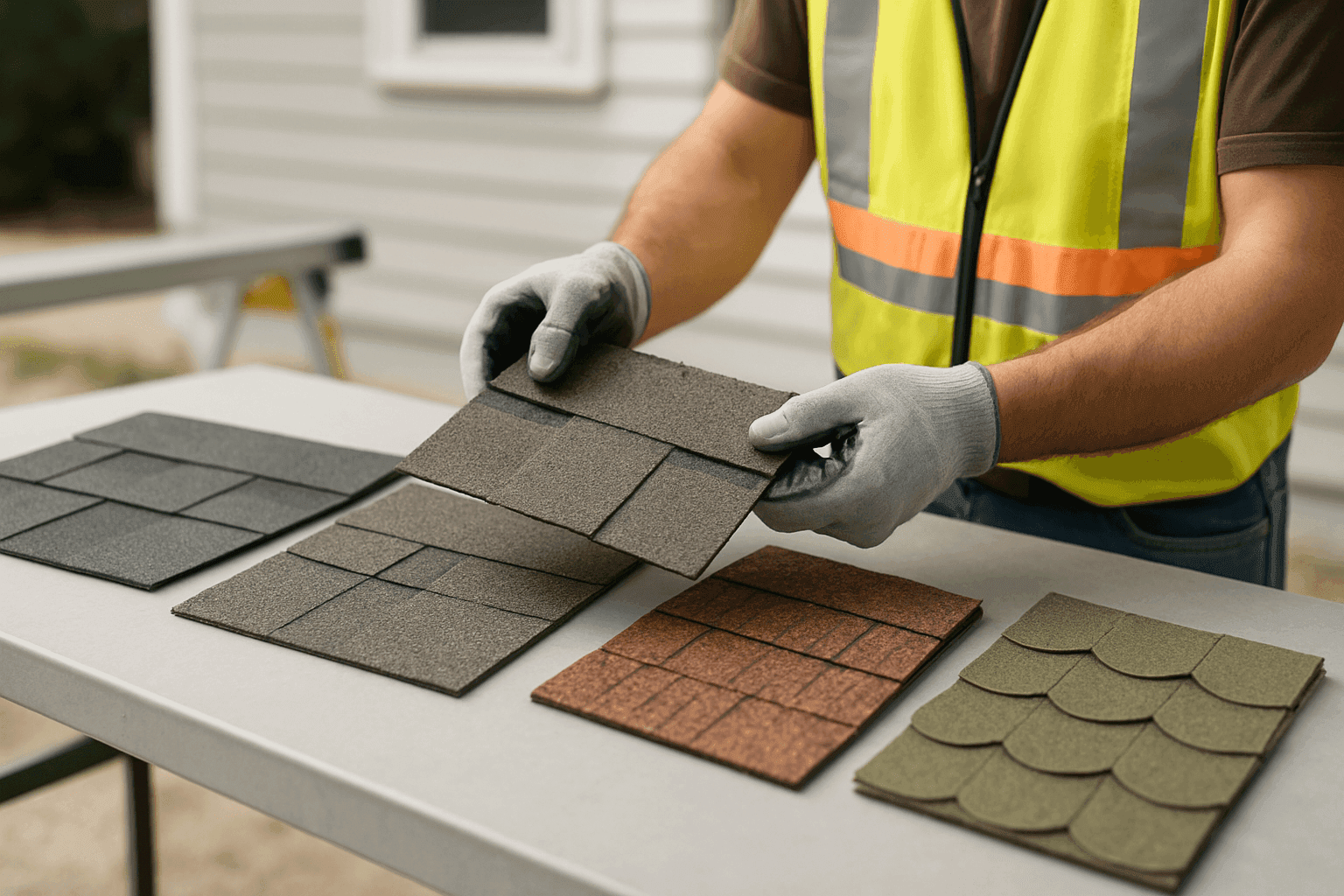
Does picking a new roof feel like standing at a crossroads, every path lined with unfamiliar options? You’re not alone. Choosing the right shingle roofing can feel overwhelming—but it’s one of the most important decisions for your home’s protection, curb appeal, and value.
At Advance Roofing, we’ve helped countless homeowners sort through the maze of shingle types, warranties, and weather considerations. Here’s a clear guide to help you make a confident choice, tailored to your home and lifestyle.
What’s the Real Problem With Shingle Choices?
The world of shingle roofing is bigger than most people realize. Asphalt, architectural, eco-friendly, and specialty options each come with their own strengths—and myths. The wrong choice isn’t just a cosmetic hiccup. It can mean leaks, higher energy bills, or a roof that cracks under weather pressure.
Think of your roof as your home’s helmet. The right fit makes all the difference in a storm. The wrong one? It’s like heading into a downpour with a paper umbrella.
Here’s what to consider:
- Durability and lifespan
- Appearance and color
- Weather resistance
- Cost up front vs. long-term
- Maintenance needs
Quick Safety Checklist Before You Start 🛑
Before thinking about installing or even inspecting roofing:
- Stay off the roof if it’s wet, icy, or steep.
- Use a sturdy ladder with someone nearby to steady it.
- Wear grippy shoes—not sandals or smooth soles.
- Avoid walking near skylights or weak spots.
- Check your local building codes (see International Residential Code for roof safety standards).
- Leave complex work to professionals—especially with older or damaged roofs.
Your safety is more important than any shingle!
DIY vs. Call a Pro: Know When to Step Back
Some parts of shingle roofing are DIY-friendly—like choosing a color or inspecting from the ground with binoculars. But installing or replacing shingles? That’s a different story.
If you’re just patching a tiny spot with no signs of rot or leaks, a handy homeowner might handle it. Anything more—chimney flashing, major repairs, or full replacement—needs a licensed roofing contractor. Even “easy” repairs can lead to water damage, injury, or voided warranties if not done right.
If you’re unsure, get a professional inspection. Advance Roofing offers everything from leak repair to full roof replacement and preventative maintenance. We also handle chimney flashing near you, skylight installation, and storm damage restoration.
What the Pros Do When They Arrive
When you call Advance Roofing, here’s what happens next:
- Detailed inspection: We check for cracked, curled, or missing shingles, sagging, moss, and water stains.
- Structural assessment: We look under the surface—roof decking, insulation, ventilation, chimney flashing, and more.
- Weather-readiness: We assess your home’s exposure to wind, hail, and sun.
- Material recommendations: Based on your budget, style, and neighborhood requirements.
- Clear, written estimates: No guesswork, no surprises.
We also walk through warranty details, expected lifespan, and maintenance tips for your chosen shingle.
Types of Shingle Roofing: Pros, Cons, and Best Uses
Asphalt Shingles
- Most popular for residential roofing.
- Affordable and widely available.
- Lifespan: 15–30 years depending on quality.
- Styles: Three-tab (basic), architectural (thicker, more dimensional).
- Colors: Huge variety, from traditional grays to bold reds.
- Best for: Homeowners on a budget or looking for quick installation.
Architectural Shingles
- Thicker and layered—mimic wood shakes or slate.
- Improved durability (up to 40 years with proper care).
- Weather resistance: Better wind and hail protection.
- Appearance: More depth and shadow, higher-end look.
- Cost: Slightly higher than basic asphalt, but longer lifespan.
Eco-Friendly Shingles
- Materials: Recycled rubber, plastic, or composite.
- Energy efficiency: Some reflect sunlight, lowering cooling bills.
- Reduced landfill waste.
- Lifespan: As long as high-end asphalt or architectural shingles.
- Style: Modern, unique colors and textures.
- Best for: Green-conscious homeowners or those in sunny climates.
Specialty and Designer Shingles
- Wood shakes: Natural look, but require more maintenance and fire protection.
- Metal shingles: Durable, long-lasting, reflect heat.
- Slate or tile: Premium look, heavy, and need strong roof support.
Tip: Always ask about compatibility with your home’s structure, especially for heavier options.
Appearance and Color: Looks That Last
Color isn’t just about curb appeal. Light-colored shingles reflect sunlight, keeping attics cooler in hot climates. Dark shingles absorb heat, which can help in cold regions but may shorten shingle life in extreme sun.
Consider:
- Neighborhood guidelines: Some areas restrict certain colors or materials.
- Home style: Match your siding, trim, and landscape.
- Streak resistance: Some shingles have coatings that prevent algae stains.
Bring home sample boards. View them in morning and afternoon light. What looks great in a showroom may look different on your roof!
Weather Resistance: Built for Your Region
Roofs face sun, wind, rain, snow, and hail—sometimes all in one week! Here’s what matters:
- Wind ratings: Look for shingles rated for winds over 100 mph if you’re in storm zones.
- Impact resistance: Class 4 shingles resist hail and debris.
- Algae resistance: Important in humid or tree-shaded areas.
- Fire ratings: Class A is best (especially near chimneys).
Ask your roofing contractor about local climate risks and code requirements.
How to Read Warranties (and What Most People Miss)
Warranties can be as tricky as a magician’s contract. Here’s what to look for:
- Material vs. workmanship: Material covers defects; workmanship covers installation errors.
- Prorated vs. non-prorated: Some pay less as the roof ages.
- Transferability: Will it carry over if you sell your home?
- What’s excluded: Storm damage, improper installation, or poor ventilation may void coverage.
Ask the contractor for a plain-English breakdown—and get it in writing.
Cost and Time Factors: What to Expect
Price depends on:
- Shingle type
- Roof size and pitch
- Removal of old roofing
- Local labor rates
Time: A simple asphalt shingle roof can sometimes be replaced in a day or two. More complex jobs—especially tile or metal—take longer.
Tip: Never rush roof work around bad weather or without permits. Advance Roofing can help you plan your project for the best timing and results.
Maintenance: Keeping Your Roof Healthy
Even the best roof needs regular TLC. Here’s how to extend its life:
- Clean gutters and downspouts every season.
- Trim overhanging branches.
- Remove moss or debris—use a soft brush, not a pressure washer.
- Inspect after big storms for missing or damaged shingles.
- Schedule professional inspections every few years.
Advance Roofing offers preventative maintenance plans, gutter cleaning, and leak repair to keep your roof in top shape.
When It’s an Emergency 🚨
If you spot a leak, missing shingles, or signs of a sagging roof—act fast. Water damage can spread quickly, and mold can follow close behind. Cover the area with a tarp if safe, and call a roofer for emergency services.
Advance Roofing provides emergency leak repair, chimney flashing near you, and storm damage restoration for homeowners needing fast help.
Local and Seasonal Considerations
Every region has its own roofing challenges. In snowy climates, sturdy shingle roofing with proper ventilation is crucial. Hot, sunny areas call for UV-resistant and lighter-colored shingles. Wind-prone regions need shingles with strong adhesive strips and high wind ratings.
Consult your local building department for rules on fire resistance, insulation, and energy efficiency. The International Residential Code and your state’s guidelines are good places to check.
FAQ: Your Shingle Roofing Questions Answered
Q: How long do asphalt shingles really last?
A: Standard asphalt shingles last 15–30 years. Architectural and premium options can last up to 40 years with proper care.
Q: Can I install new shingles over my old ones?
A: Sometimes, but it’s not always best. Local codes may limit layers, and underlying damage can go unnoticed.
Q: What’s the best shingle color for energy efficiency?
A: Lighter colors reflect more sunlight and help keep your home cooler. Some shingles are specially coated for even better performance.
Q: Are eco-friendly shingles as durable as traditional ones?
A: Many are! Quality varies, so always check ratings, warranties, and manufacturer specs.
Ready to Choose Your New Roof?
The right shingle roofing protects your home, looks beautiful, and saves money over time. Whether you’re replacing worn shingles, building new, or exploring eco-friendly options, Advance Roofing is here to help. Our team handles everything—from inspections and preventative maintenance to full roof replacement and emergency services.
Call Advance Roofing now — or reach us anytime at 877-664-0687 .