Metal vs. Shingle Roofing: Which Is Best for Your Home?
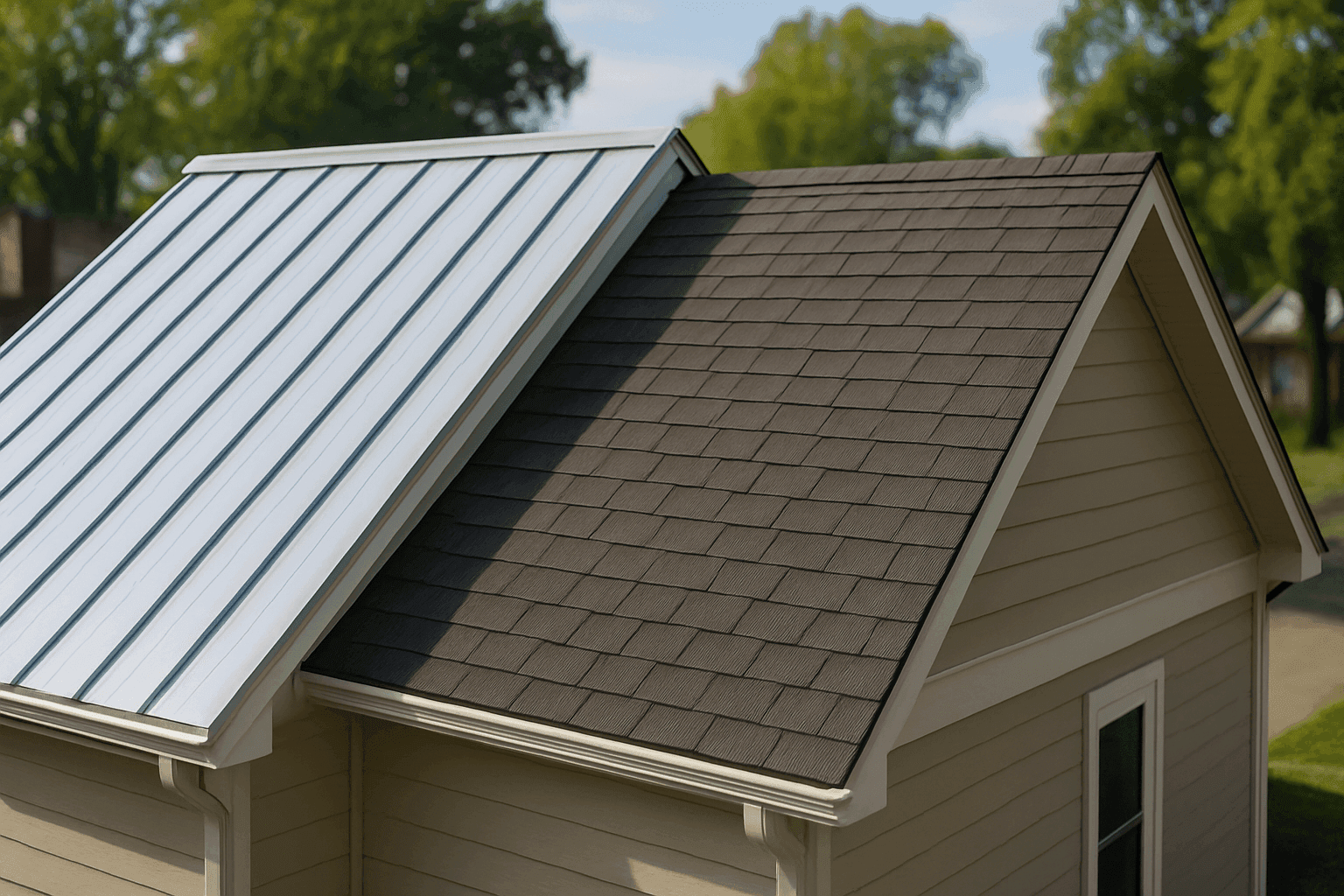
Choosing a new roof is a big deal. It’s more than just picking a color or style. The right roof protects your home, boosts curb appeal, and can even save you money over time.
At Advance Roofing, we get that it’s easy to feel lost with so many options. You might be weighing metal roofing against classic shingles, wondering which is right for your home and climate. Let’s break down the decision—no jargon, just honest facts.
The Big Decision: Metal or Shingle Roofing?
Imagine your roof as a helmet for your house. It takes the hits—rain, hail, wind, and sun—so your family stays safe and dry. When it’s time to choose between metal and shingle roofing, it’s about balancing protection, cost, looks, and what works where you live.
Metal Roofing: The Long Hauler
Metal roofs are like the trusty pickup truck that just keeps running. Often made from steel, aluminum, or copper, they can last 40–70 years with proper care. They stand strong against wind, shed heavy snow, and handle wild temperature swings with less fuss.
Shingle Roofing: The Familiar Favorite
Shingle roofs, especially asphalt, are America’s tried-and-true choice. They’re everywhere for good reason: affordable, easy to repair, and available in almost any color. Most last 15–30 years, depending on quality and weather.
Safety First: Quick Roofing Safety Checklist 🦺
Whether you’re checking a roof after a storm or planning for replacement, safety matters. Here’s what to keep in mind:
- Never climb onto a wet or icy roof.
- Use a sturdy ladder—inspect it before use.
- Wear shoes with good grip.
- Look out for overhead power lines.
- Always work with someone else nearby.
- For structural concerns, call a pro right away.
- Follow local building codes and OSHA guidelines.
DIY or Call a Roofing Pro?
Some little fixes—like cleaning gutters or replacing a few shingles—can be safe for handy homeowners. But roofing is risky business. Metal panels are heavy and sharp. Shingles can be slippery. Even a small misstep can lead to injury or costly leaks.
When to DIY:
- Cleaning leaves from gutters
- Replacing one or two damaged shingles (if you’re confident and safe)
When to call Advance Roofing:
- Full roof replacement or installation
- Leak repair, chimney flashing, or structural issues
- Skylight or vent work
- Storm or hail damage
- Metal roofing jobs (these require special tools and know-how)
What Roofing Pros Do On Arrival
When you book Advance Roofing, here’s what you can expect:
-
Thorough Inspection
We check the roof surface, attic, flashing, gutters, and ventilation. We look for signs of leaks, weak spots, and code violations. -
Clear Explanation
We break down what’s urgent, what can wait, and all your options—so you’re never left guessing. -
Safe, Code-Compliant Work
Every project follows up-to-date International Building Code (IBC) standards. We use harnesses and fall protection, and we clean up every nail and scrap. -
Written Estimate
No surprises. Just straight talk about costs and timelines.
Maintenance: How to Keep Your Roof Happy
A roof isn’t “set it and forget it.” Both metal and shingle roofing need care to last.
Metal Roofing Maintenance
- Inspect for rust and loose fasteners every year.
- Keep debris and leaves off the roof.
- Repaint or reseal if the finish wears thin.
- Check flashing and sealant around chimneys and vents.
Shingle Roofing Maintenance
- Look for cracked, curling, or missing shingles after storms.
- Clean algae or moss with a gentle roof wash.
- Inspect flashing around chimneys, skylights, and valleys.
- Clean gutters and downspouts to prevent water backup.
Both Need:
- Regular professional inspections (especially after storms)
- Prompt repairs for leaks or storm damage
- Clean gutters and well-placed downspouts
Durability: Which Roof Lasts Longer?
- Metal Roofing: 40–70 years (sometimes more with copper or zinc)
- Shingle Roofing: 15–30 years (premium shingles can last longer)
Metal resists fire, insects, and rot. It shrugs off heavy snow and strong wind. Shingles are tough, but hail, wind, and UV rays wear them down faster.
Cost & Time Factors: What Should You Expect?
Metal Roofing:
- Higher up-front cost (materials and labor)
- Lower long-term maintenance
- Takes longer to install (due to precision and safety needs)
Shingle Roofing:
- Lower initial cost
- Repairs are easier and cheaper
- Shorter installation time—great for quick turnarounds
Remember, the cheapest option up front isn’t always the best deal for your wallet over decades.
Appearance: What Looks Best on Your Home?
Metal roofs aren’t just for barns anymore. Today’s metal roofing comes in many colors and styles—some even mimic shakes or tiles. They give homes a modern, clean look and stand out in the neighborhood.
Shingles have classic charm. They come in countless shades and textures, so it’s easy to match your home’s style. If your neighborhood has an HOA, check their rules—some areas only allow certain materials or colors.
Environmental Impact: Which Is Greener?
Metal Roofing:
- Often made with recycled materials (sometimes up to 95%)
- Fully recyclable at end of life
- Reflects solar heat, reducing cooling bills in hot climates
Shingle Roofing:
- Petroleum-based (asphalt)
- Not easily recycled—most old shingles end up in landfills
- Some new products use recycled content, but not all
If eco-friendly roofing matters to you, metal is the clear winner.
Common Myths About Metal & Shingle Roofing
Myth: Metal roofs are noisy in the rain.
Reality: With attic insulation and underlayment, a metal roof is as quiet as shingles.
Myth: Shingle roofing is always cheaper.
Reality: Up front, yes. Over time, frequent repairs or early replacement can add up.
Myth: Metal roofs attract lightning.
Reality: Metal won’t increase your home’s risk of a lightning strike. If it does get hit, it safely disperses the energy.
Myth: Shingles can’t handle harsh weather.
Reality: High-quality shingles are tough, especially if installed to code. But extreme heat, hail, or high winds will wear them faster than metal.
Climate & Local Considerations 🌦️
Where you live should guide your roofing choice.
- Cold, snowy climates: Metal sheds snow better, reducing ice dams and leaks.
- Hot, sunny regions: Metal’s reflective finish keeps homes cooler, while dark shingles may trap heat.
- Storm-prone areas: Metal is more wind- and hail-resistant, but premium shingles rated for impact can hold their own.
- Historic districts or HOAs: Rules may limit your options—always check first.
Advance Roofing has experience with all roof types, from humid coastal areas to snowy mountain towns. Climate matters. So does the expertise behind the installation.
Resale Value & Curb Appeal
A new roof is one of the best ways to boost your home’s value. Metal roofing often appeals to buyers who want “set it and forget it” peace of mind, while shingle roofing can be a selling point for traditional homes.
According to Remodeling Magazine’s Cost vs. Value report, new roofing consistently ranks high for return on investment. Whether you choose metal or shingles, quality installation is what counts.
FAQ: Your Roofing Questions Answered
How do I know if my roof needs replacement or just repair?
If you see missing shingles, leaks, or visible rust, it’s time for a pro inspection. Age matters, too—if your roof is near the end of its life, replacement may be smarter.
Can I install a metal roof over my old shingles?
Sometimes. Building codes allow it in many areas, but only if the old roof is in good shape and local rules permit.
Does metal roofing make my house hotter?
No. In fact, metal often reflects heat better than shingles, especially with a reflective finish and proper attic insulation.
Are there eco-friendly options for shingle roofing?
Some brands now use recycled materials or offer cool roof shingles that reflect sunlight. Metal, however, is still the leader for recyclability.
When It’s an Emergency: What to Do
Storm damage, sudden leaks, or fallen branches—roofing emergencies can’t wait. Here’s what to do:
- Get everyone inside and stay clear of damaged areas.
- If safe, cover leaks from inside with a tarp or bucket.
- Don’t climb onto the roof.
- Call Advance Roofing for emergency repair services.
We handle urgent repairs, roof flashing, chimney flashing near you, and structural safety checks—fast.
Prevention & Maintenance: Tips for a Lasting Roof
- Schedule yearly inspections (especially after major storms)
- Keep gutters and downspouts clear
- Trim back overhanging branches
- Replace worn sealants and flashing
- Address small repairs before they become big headaches
The National Roofing Contractors Association (NRCA) recommends regular maintenance for both metal and shingle roofs. It’s the key to long life and peace of mind.
Ready for a Roof That Fits Your Home and Lifestyle?
Choosing between metal and shingle roofing is a big decision—but you don’t have to go it alone. At Advance Roofing, we listen, explain your options, and work to find what’s best for your home, style, and budget.
Call Advance Roofing now — or reach us anytime at 877-664-0687 .