Roof Inspections: What to Expect and When to Schedule One
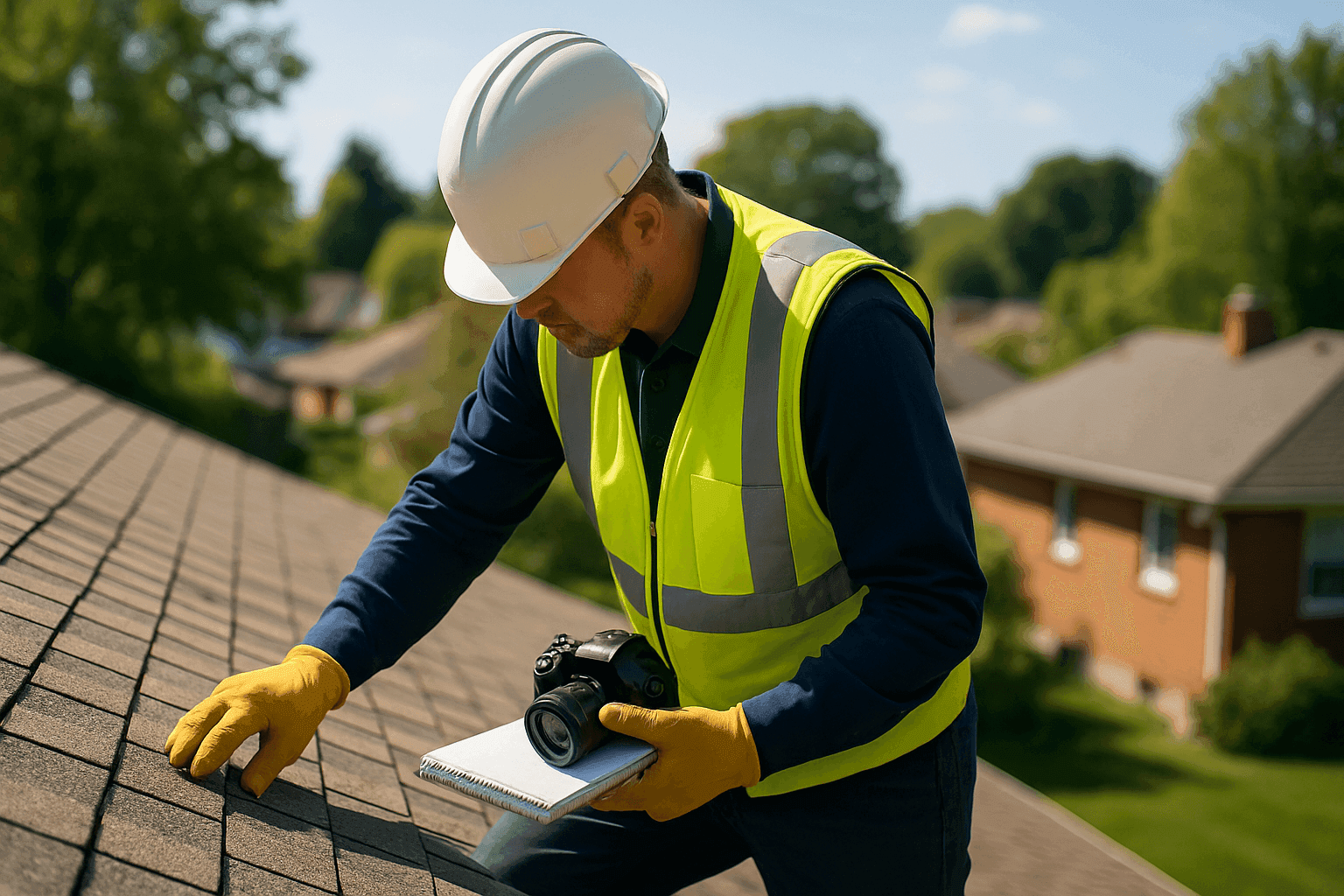
Is your roof quietly working overtime? Most of us rarely think about what’s above our heads—until something goes wrong. Small leaks, missing shingles, or clogged gutters can be easy to ignore. But left unchecked, these little problems often grow into big, expensive headaches.
At Advance Roofing, we know a solid roof is more than shelter. It’s peace of mind. If you’ve ever wondered exactly what happens during a roof inspection, or how to spot early warning signs yourself, you’re in the right place.
Why Roof Inspections Matter: The Real Risks
Think of your roof as your home’s helmet. It takes the hits from wind, rain, snow, blazing sun, and falling debris. But even the best helmet cracks over time. Regular inspections catch trouble early—before water seeps in, mold grows, or insulation fails.
Neglect can mean:
- Costly repairs after storms
- Hidden water damage and rot
- Higher energy bills from poor ventilation
- Shortened roof life
According to the International Association of Certified Home Inspectors (InterNACHI), most roofs should be checked at least once a year—or after any major storm.
Quick Roof Safety Checklist 🛑
Before you grab a ladder, remember: safety comes first. Roofs are risky if you’re not prepared. Here’s a checklist for a quick, safe look from the ground:
- Binoculars help. Scan for missing, curled, or cracked shingles.
- Check the gutters. Are they sagging, rusted, or overflowing?
- Look for stains. Dark patches on the roof or ceilings inside mean trouble.
- Inspect the chimney flashing. Any gaps, rust, or loose metal?
- After storms, spot-check for debris or branches.
- Stay off steep or wet roofs. It’s not worth the risk.
If something looks off, or you feel uneasy, it’s time to call in a pro.
DIY vs. Call a Pro: Know Your Limits
You can spot obvious issues from the ground, but some problems hide in plain sight. Professional inspectors are like detectives—they know where leaks like to sneak in, and they have the gear (and insurance) to work safely.
DIY checks are good for:
- Spotting missing shingles
- Checking for clogged gutters
- Noticing moss or algae growth
- Watching for animal nests near vents
Call a pro for:
- Persistent leaks or water stains
- Shingle Roofing repairs
- Chimney Flashing near you
- Skylight Installation or repair
- After severe storms or hail
- Annual or pre-sale roof inspections
What Pros Do On Arrival
A professional inspection is more than a quick glance. Here’s what you can expect when Advance Roofing arrives:
Step-by-Step Process
- Exterior scan: Inspect roofing materials, flashing, gutters, and downspouts.
- Chimney Flashing and cap services: Check for cracks, rust, or gaps.
- Ventilation & insulation check: Make sure your attic breathes, reducing mold and energy loss.
- Skylights and penetrations: Look for leaks, cracks, or missing sealant.
- Decking and structure: Feel for soft spots or sagging that signal hidden damage.
- Gutter cleaning and repair: Remove debris, tighten loose sections, and check downspouts.
- Photographs or notes: Detailed documentation for your records.
- Clear report: Plain-language description of findings—no jargon, just facts.
Inspectors at Advance Roofing are certified by recognized organizations such as the National Roofing Contractors Association (NRCA) and trained in OSHA safety standards. You can ask to see credentials anytime.
Prevention & Maintenance
Smart homeowners make roof care a habit. Regular inspections and maintenance can double the life of your roof.
Here’s what you can do:
- Clean gutters each fall and spring.
- Trim back overhanging branches.
- Remove moss or algae with approved cleaners.
- Schedule professional inspections every year.
- Address minor leak repairs before storms arrive.
Following local building codes is important—check with your municipality or refer to the International Residential Code (IRC) for guidelines.
Costs & Time Factors
A standard residential roof inspection typically takes between 45 minutes and two hours, depending on the size and complexity of your roof. Costs vary by region, roof type, and if extra services (like drone imaging or thermal scans) are needed.
Routine maintenance is less costly than emergency repairs. Investing a little now can save thousands later.
When It’s an Emergency
Some problems can’t wait:
- Sudden leaks during a storm
- Tree limbs or debris puncturing the roof
- Signs of structural sagging or collapse
- Major wind or hail damage
Advance Roofing offers emergency services. If water is pouring in or the roof looks unsafe, call right away. Protect people and property first—then let the professionals handle the rest.
FAQ: Roof Inspections
How often should I get my roof checked?
At least once a year, or after heavy storms. If you notice leaks or visible damage, schedule an inspection sooner.
What if my roof is newer?
Even new roofs need periodic checks—installation errors or storm damage can happen to anyone.
Will I get a written report?
Yes. You’ll receive a clear, detailed summary with photos and recommendations.
Can inspections spot attic or insulation issues?
Absolutely. Inspectors look for ventilation problems, poor insulation, and signs of mold or moisture.
Local & Seasonal Considerations 🌦️
Your roof faces different threats depending on where you live. In snowy regions, ice dams and heavy buildup are risks. Near the coast, salt and wind can eat away at metal roofing. After hot, dry summers, shingles may crack or curl.
Schedule inspections:
- After spring storms or hail
- Before and after winter
- Before selling or buying a home
- If you see signs of leaks or damage
DIY Roof Inspection Checklist
Want to do a quick check yourself?
- Stand back: Look for uneven lines or sagging.
- Scan for missing, cracked, or curling shingles.
- Check the ground for shingle granules.
- Peek in the attic: Any daylight or damp spots?
- Inspect gutters for debris and pooling water.
- Look for rust or gaps in flashing, especially around chimneys and skylights.
- Make sure downspouts direct water away from your home.
When in doubt—call a professional.
A healthy roof is your first line of defense. Don’t let hidden issues steal your comfort or drain your wallet. Schedule regular roof inspections and rest easy, rain or shine.
Call Advance Roofing now — or reach us anytime at 877-664-0687 .