Skylight Installation & Repair: Benefits, Costs, and Common Issues
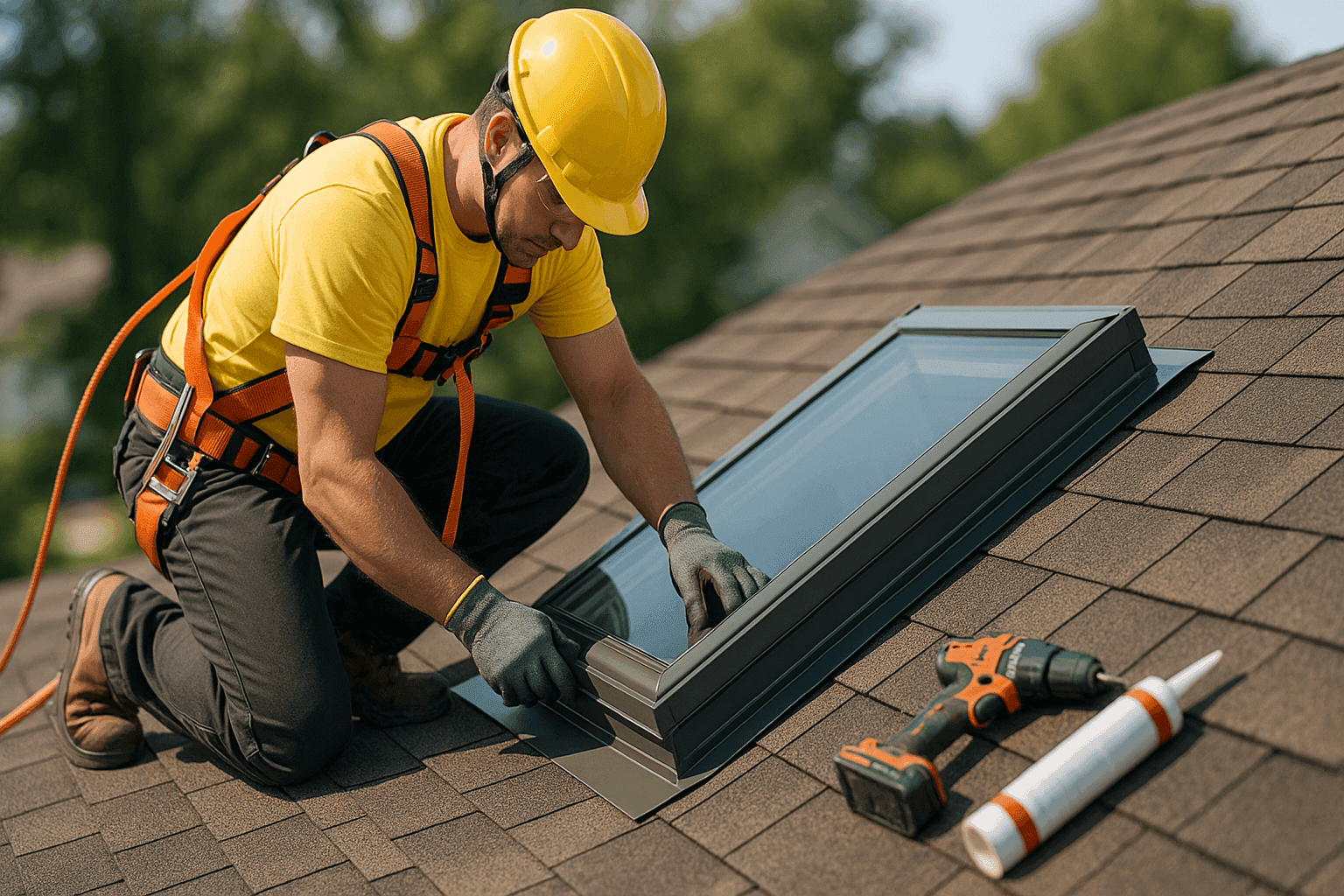
Let’s face it—nothing transforms a dark, closed-in room like a well-placed skylight. The sun pours in. Suddenly, your living space feels bigger, brighter, and more inviting. But a skylight isn’t just a window overhead. It’s a part of your roofing system. It needs care, know-how, and the right choices from the start.
At Advance Roofing, we’ve seen the rewards of good skylight work—and the headaches of poor installs. If you’re thinking of adding a skylight or worried about one you have, this guide will help you make smart decisions for your home and your peace of mind.
Why Skylights? Letting Light (and Value) In
A skylight can turn a dim hallway into a sun-drenched path. It brings fresh air and natural light where regular windows just can’t reach. Here’s why homeowners love them:
- More Natural Light: Skylights cut the gloom. You’ll use less artificial light, which can help save energy.
- Better Ventilation: Some skylights open, letting out heat and moisture. This can make bathrooms and kitchens feel fresher.
- Boosted Home Value: Like a sunroom or a deck, a good skylight is a feature buyers notice.
- Mood Lift: Sunlight boosts your mood. A brighter home feels happier and more welcoming.
But there’s more to the story. Skylights, when installed well, also improve energy efficiency. The right placement and design help heat your home in winter and vent it in summer. The wrong skylight, or a poor install, can mean leaks, drafts, and bigger bills.
Problem or Scenario: Common Skylight Issues 🌤️
What can go wrong with a skylight? Like any roof feature, skylights can develop problems over time—especially if they weren’t installed with care.
- Leaks: This is the big one. Water sneaking in around the frame or flashing. Sometimes it’s a drip, sometimes a flood after a storm.
- Condensation: Moisture fogging up the glass. If it drips, it can damage drywall or paint.
- Cracked or Foggy Glass: Impacts, weather, or old age can weaken the seal or glass itself.
- Drafts: A poor seal lets cold air in and warm air out.
- Shingle Damage: If flashing or sealants break down, the shingles around your skylight can start to fail, too.
If you spot water stains, peeling paint, or damp smells near your skylight, it’s time to act. These small warning signs can quickly grow into bigger headaches.
Quick Safety Checklist Before Inspecting Your Skylight
If you want to check your skylight yourself, safety comes first. Never take risks on a roof. Here’s a simple checklist:
- Use a sturdy, non-slip ladder on solid ground.
- Avoid wet, icy, or windy days.
- Wear shoes with good grip.
- Have someone nearby in case you need help.
- Don’t step directly on skylights or fragile roof surfaces.
- Remember—sometimes it’s safest to stay on the ground and let a pro take a closer look.
DIY or Call a Pro? Making the Right Choice
Some jobs look easy—until you’re up there with a tube of sealant and a breeze kicks up. Here’s when you might handle it yourself, and when it’s smart to call Advance Roofing:
DIY Tasks:
- Wiping down skylight glass from inside.
- Checking for obvious cracks or loose handles.
- Clearing away leaves or debris from the outside (if you can do so safely).
Call a Pro If:
- You see water stains or suspect a leak.
- There’s condensation between the glass panes.
- The skylight is cracked, foggy, or won’t open/close.
- You notice missing shingles, flashing, or sealant around the skylight.
Remember, skylights are tied into your roofing, insulation, and ventilation systems. What starts as a small leak can lead to bigger structural problems.
What Pros Do On Arrival
When you call Advance Roofing for skylight work, here’s what happens next:
- Full Exterior Inspection: We’ll check the skylight, flashing, shingles, and sealants, looking for weak spots.
- Interior Assessment: Inside, we look for moisture, mold, or drywall damage.
- Moisture Testing: Sometimes, hidden leaks require a moisture meter.
- Ventilation Review: We check if your attic ventilation and insulation are up to code (per the International Residential Code).
- Diagnostic Report: You get a plain-language summary of what’s wrong, what it’ll take to fix, and options that fit your goals and budget.
No guesswork. No band-aid fixes. Just clear steps forward, whether you need a simple repair or a full replacement.
Prevention & Maintenance: Keep Your Skylight Problem-Free 🧽
A little attention goes a long way. Here’s how you can protect your skylight year-round:
- Clean the Glass: Use mild soap and water inside and out. Avoid harsh chemicals.
- Clear Debris: Leaves and twigs around the skylight can trap moisture and wear down sealants.
- Check Flashing: Look for cracked or missing roof flashing near you, especially after storms.
- Inspect for Cracks: Do a quick check every season for chips, cracks, or foggy spots.
- Ventilate: Use venting skylights or fans to reduce condensation, especially in bathrooms or kitchens.
Schedule a professional inspection every few years, or after major storms. Small repairs now save headaches later.
Costs & Time Factors: What to Expect
Skylight costs can vary like the weather. But here’s a general sense of what goes into the bill:
- Installation: Most residential skylight installs run from a few hundred to a few thousand dollars, depending on size, style, and roof type. Curb-mounted models cost more than simple deck-mounted ones. Adding ventilation or custom features bumps up the price.
- Repairs: Fixing flashing, sealants, or minor leaks usually costs less than full glass or frame replacements.
- Time: Simple repairs might take a few hours. Full skylight replacement or new installation can take a day or two.
- Other Factors: Steep roofs, tile roofing, or complex attic spaces can add to labor costs.
Always factor in the long-term value: a well-installed, energy-efficient skylight can pay you back in lower lighting and heating costs.
When It’s an Emergency
Woke up to a puddle on the floor? Storm just blew through and now your skylight is leaking? That’s a red alert. Don’t wait.
- Move furniture and electronics away from the wet area.
- Catch drips with a bucket or towel.
- Call Advance Roofing for emergency services immediately.
- If safe, cover the area with a tarp from the inside to limit damage until help arrives.
Remember—fast action can make the difference between a quick fix and major repairs.
FAQ: Your Skylight Questions Answered
Q: Can skylights really cause roof leaks? A: Yes, if not installed or maintained well. Most leaks come from old flashing or sealant, not the skylight itself.
Q: How often should I check my skylight? A: Give it a look-over once a season, and after any big storms.
Q: What’s the best way to make my skylight more energy efficient? A: Choose double- or triple-glazed glass, and make sure insulation and flashing are up to code. The U.S. Department of Energy has great info on energy-smart windows and skylights.
Q: I have condensation inside my skylight. Is that normal? A: A little fog is common, especially in winter. But pooling water or frequent dripping means it’s time for a closer look.
Local & Seasonal Considerations
Think about your climate. In cold climates, proper insulation and vapor barriers around skylights are essential to prevent ice dams and condensation. In storm-prone areas, look for impact-resistant glass and check flashing after every major weather event.
If your area gets lots of sun, consider tinted or low-E glass to reduce heat gain. And always use roofing materials that match your environment—Advance Roofing can help you choose options that last.
Ready to brighten your home or fix a skylight issue? Call Advance Roofing now — or reach us anytime at 877-664-0687 .